Why the 2000s Music Revival Feels So Fresh with Afro House and Deep House Remixes
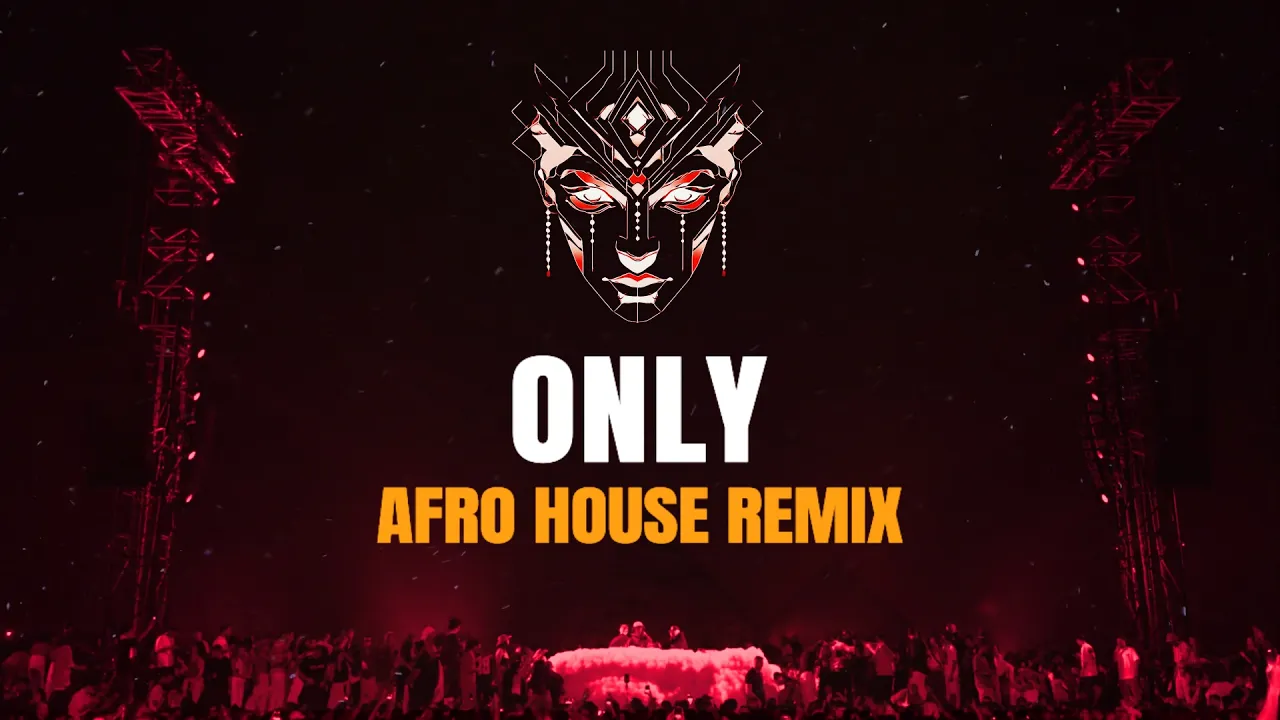
There is something special about hearing a song from your teenage years and feeling like it belongs in a club right now. The 2000s music revival is not just about putting old tracks on playlists and calling it a day. It is about taking the bones of those songs and giving them a new heartbeat. When a track like Play & Win's "Only" gets reimagined into an Afro House and Deep House style by an artist like Afro Sense, you start to understand how the nostalgia wave works in the streaming era. It is not about copying the past. It is about letting the past breathe again.
I remember hearing "Only" back in the mid-2000s when Romanian musicians like Play & Win were becoming a big deal across Europe. The Romanian music scene had a particular energy then, a blend of Eurodance and dance-pop that felt both slick and raw. Play & Win were masters of that sound. Their production had a certain brightness and drive that made you want to drive fast or dance hard. Hearing that same melody now, slowed down into a deeper groove with Afro House percussion, is a different kind of pleasure. It still carries the original hook, but the rhythm section tells a new story.
The Mechanics of a Good Remix
Remix culture is older than most people think, but the way we experience it now has changed. In the 2000s, a remix meant a different arrangement for the dance floor, often faster, heavier on the kick drum, with a breakdown built for the DJ. Today, the 2000s music revival often works by pulling the tempo back and letting the harmonic content sit in a wider space. That is what makes the Afro House and Deep House treatment so effective. You keep the vocal hook, you keep the melodic identity, but you change the pulse entirely.
A good remix respects the original while moving it somewhere else. When Afro Sense works with Play & Win's material, the result is not a cover. It is a conversation between two eras. The original track had a certain urgency, a pop structure built for radio and clubs alike. The new version drops the BPM, lets the bassline breathe, and adds the kind of polyrhythmic texture that defines Afro House. That shift in tempo and feel opens the song up to listeners who might not have been born when the original came out. It also gives millennials a new way to hear something they already love.

How the Y2K Aesthetic Connects to Modern Club Culture
The Y2K aesthetic is everywhere right now. You see it in fashion, in graphic design, in the filters people use on social media. That visual nostalgia pairs perfectly with the sound of the 2000s music revival. But the audio side of that revival is more interesting than the visuals, because it has to work on a dance floor. You cannot just slap a low-pass filter on a 2004 track and call it nostalgic. You have to build a groove that works for a crowd that has been listening to house music, techno, and global bass for the last decade.
That is where the blend of Eurodance roots and Afro House production becomes powerful. Eurodance was always about big melodies and simple, driving beats. Afro House brings a different kind of rhythmic complexity, often using syncopated percussion, open hi-hats, and basslines that move in unexpected ways. When you combine those two worlds, you get something that feels both familiar and fresh. The 2000s pop songs that defined a generation get a second life, and club culture gets new material that does not sound like everything else in the current rotation.
I have been to nights where a DJ drops a remix like this in the middle of a set, and the reaction is always interesting. Younger dancers hear a melody they might recognise from TikTok or from a sample in a newer track. Older dancers hear the song they loved in high school. For a few minutes, everyone is on the same beat. That is the power of a good remix in the nostalgia wave.
The Role of YouTube Music in the Revival
YouTube music has become the primary archive for this kind of revival. The platform holds the original music videos, the live performances, and the fan uploads that keep old tracks visible. But it also hosts the new remixes, often with their own music video or visualiser that leans into the Y2K aesthetic. When an artist like Afro Sense uploads a reworked version of a Romanian hit, the comments section becomes a meeting point. People who grew up with the song share memories. New listeners ask about the original. That kind of interaction is rare in traditional radio or streaming playlists.
The streaming era has made the 2000s music revival possible on a scale that did not exist before. In the 2000s, if you wanted to hear a remix of a Romanian pop song, you had to buy the CD single or wait for a DJ to play it. Now the same remix can appear on a YouTube channel and reach an audience in Brazil, Japan, or South Africa within hours. That global reach changes how we think about nostalgia. It is not just about reliving your own past. It is about sharing that past with people who never lived it.
Why Romanian Musicians and Play & Win Matter in This Revival
Play & Win were not just a one-hit wonder in Romania. They were a production powerhouse that helped define the sound of Romanian pop and dance music in the 2000s. Their work with artists like Inna, Alexandra Stan, and others gave the Romanian music scene an international profile that it had not had before. The energy of those tracks, the glossy production, the simple but effective songwriting, all of that makes them ideal candidates for the 2000s music revival. They have the melodic strength to carry a new arrangement, and they have the nostalgia factor for anyone who followed European dance music in that era.
When a producer like Afro House takes a Play & Win track and reworks it into Deep House and Afro House, the result is a kind of cultural translation. The original Romanian pop song becomes a global house track. The Eurodance energy becomes something deeper and more patient. The remix does not erase the original. It extends its life. That is the best thing a remix can do.
The Practical Side of Making This Work
From a production standpoint, blending 2000s pop with Afro House requires real skill. The original stems often have a bright, compressed sound that works for radio but sits oddly in a house mix. You have to EQ the vocals to fit a deeper frequency range. You have to rebuild the rhythm section from scratch, because the original drum machine patterns will not lock into an Afro House groove. You also have to decide how much of the original arrangement to keep. Too much, and it sounds like a karaoke track. Too little, and you lose the connection to the original.
The best examples of this revival keep the vocal hook and maybe the main synth riff, then build everything else around a new bassline and percussion arrangement. That approach respects the songwriting while giving the track a new identity. It is also the approach that works best on a dance floor, because the crowd can recognise the song but still feel the surprise of hearing it in a different context.
For anyone curious about how this sounds in practice, searching for Afro House remixes of 2000s dance-pop tracks on YouTube music is a good starting point. You will find a whole ecosystem of producers who are doing this work. Some focus on Romanian musicians, others on Italian or German Eurodance from the same period. The quality varies, but the best examples show how remix culture can keep a song alive long after its original moment has passed.

A Final Thought on Nostalgia and Forward Movement
The 2000s music revival is not about living in the past. It is about taking the best parts of that era and seeing what they can become when you apply modern production techniques and a different rhythmic sensibility. The Y2K aesthetic gives us the visual cues, but the music itself has to stand on its own. A good remix does not rely on nostalgia alone. It has to be a good track first, something that works whether you know the original or not.
That is why the work of producers like Afro Sense matters. They are not just repackaging old hits. They are building new music from old materials, and in the process, they are creating a bridge between the club culture of the 2000s and the global house scene of today. The Romanian music scene gave the world some great pop songs. Hearing them again, reimagined with Afro House and Deep House textures, is a reminder that great melodies never really go out of style. They just wait for a new rhythm to carry them.